
How to Take Care of Surgical Equipments

How to Take Care of Surgical Equipment
Surgical equipment refers to a wide range of tools, instruments, and devices used in medical procedures. These include forceps, scissors, scalpels, retractors, clamps, and many others. To ensure their optimal functionality and longevity, it is essential to implement a systematic approach to their care and maintenance.
Importance of Surgical Equipment Maintenance

Cleaning and Disinfection
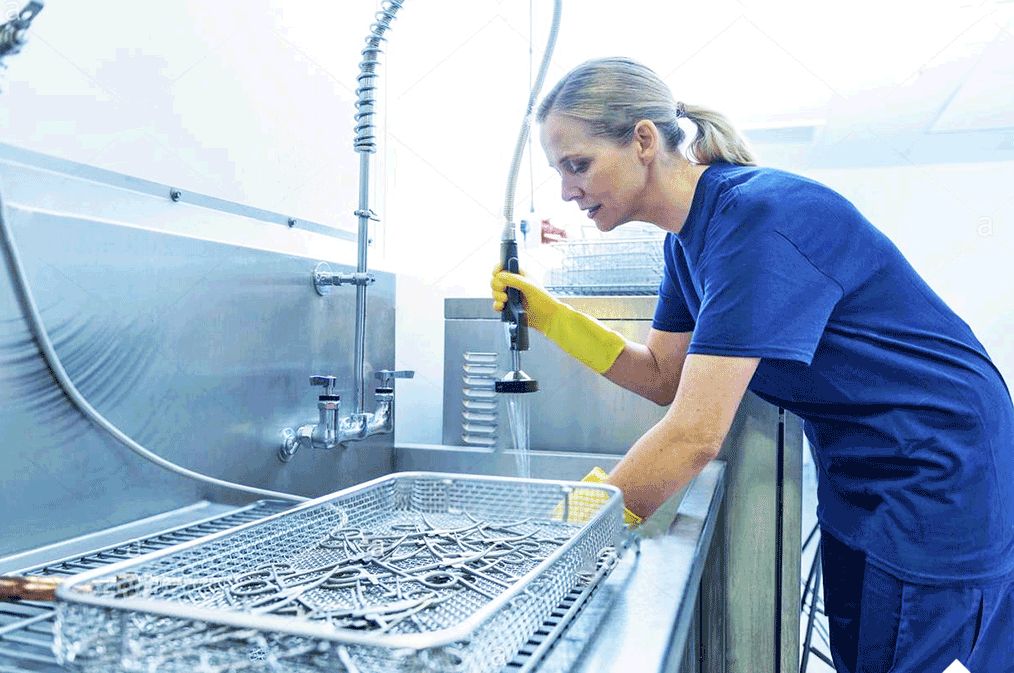
Thorough cleaning and disinfection are essential and foundational steps in the proper care and maintenance of surgical instruments. After each use, it is crucial that these instruments are meticulously cleaned to remove any organic debris, blood, tissue, or other contaminants that may have accumulated during the procedure. This process is vital to prevent the build-up of harmful micro organisms that could lead to infection or complications in future surgeries. Cleaning can be performed manually, often with specialized brushes and cleaning agents, or it can be carried out using automated cleaning systems that ensure a high level of precision and consistency. Regardless of the method used, it is imperative that all instruments are completely free of debris before they undergo sterilization, as any leftover contamination could compromise the effectiveness of the sterilization process.
Sterilization Techniques
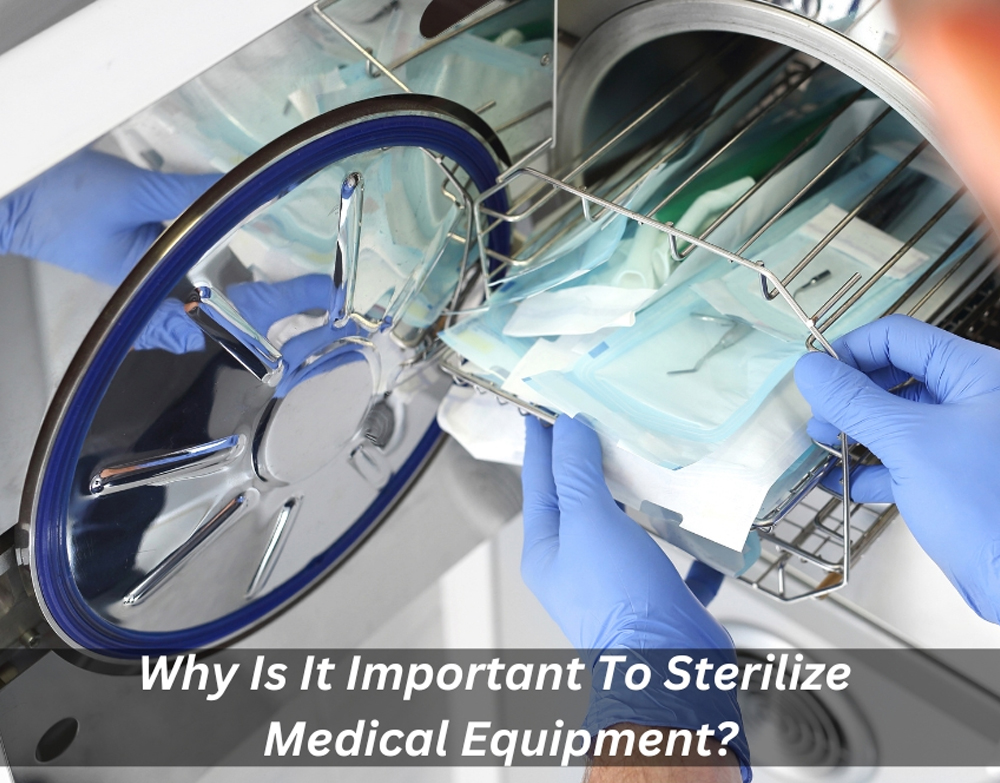
Sterilization is an absolutely critical process in healthcare, as it guarantees the complete elimination of all microorganisms—bacteria, viruses, fungi, and other pathogens—from surgical instruments. This step is essential in preventing infections and ensuring patient safety during medical procedures. There are several sterilization techniques available, each with its own advantages, limitations, and suitability for different types of equipment. Common methods include autoclaving (using steam under pressure), chemical sterilization, and dry heat sterilization, among others.
Each technique offers distinct benefits: autoclaving, for instance, is widely considered the most effective and reliable method for most surgical tools, while chemical sterilization might be preferred for heat-sensitive instruments. However, healthcare facilities must carefully assess factors such as the type of instruments being sterilized, the potential risks associated with different methods, and the speed or capacity required to meet operational demands. In making this decision, it is important to balance effectiveness with safety, ensuring that the chosen method consistently achieves a high standard of sterilization while adhering to industry guidelines and regulations.

Storage and Handling
Proper storage and handling of surgical equipment are crucial to ensuring their longevity, functionality, and safety. To maintain their integrity and prevent damage, instruments should be stored in clean, dry environments that are free from contaminants. They should be kept away from direct sunlight, moisture, and extreme temperatures, as these factors can compromise their performance or cause rusting and corrosion. Additionally, surgical tools should be organized and properly labeled to facilitate easy access and avoid unnecessary wear or mishandling. By following these best practices, healthcare facilities can extend the lifespan of their surgical instruments and maintain high standards of patient care.
Training and Education
Regular Inspection and Maintenance
Regular inspection and maintenance are vital to identify any issues or damages in surgical tools. Healthcare facilities should establish a schedule for inspections and perform routine checks on all instruments. Any defective or malfunctioning equipment should be promptly repaired or replaced to avoid compromising patient safety.
Practice with Instruction
Proper training and education are necessary for healthcare professionals responsible for the care and maintenance of surgical equipment. By equipping staff with the necessary knowledge and skills, healthcare facilities can ensure that surgical instruments are handled and maintained correctly.
Proper Documentation
Maintaining accurate and detailed documentation is essential in the care of surgical equipment. This includes records of cleaning and disinfection processes, sterilization cycles, inspection reports, and repairs or replacements. Proper documentation helps track the maintenance history of each instrument, enables traceability, and ensures compliance with regulatory standards.

Disposal of Damaged or Expired Equipment
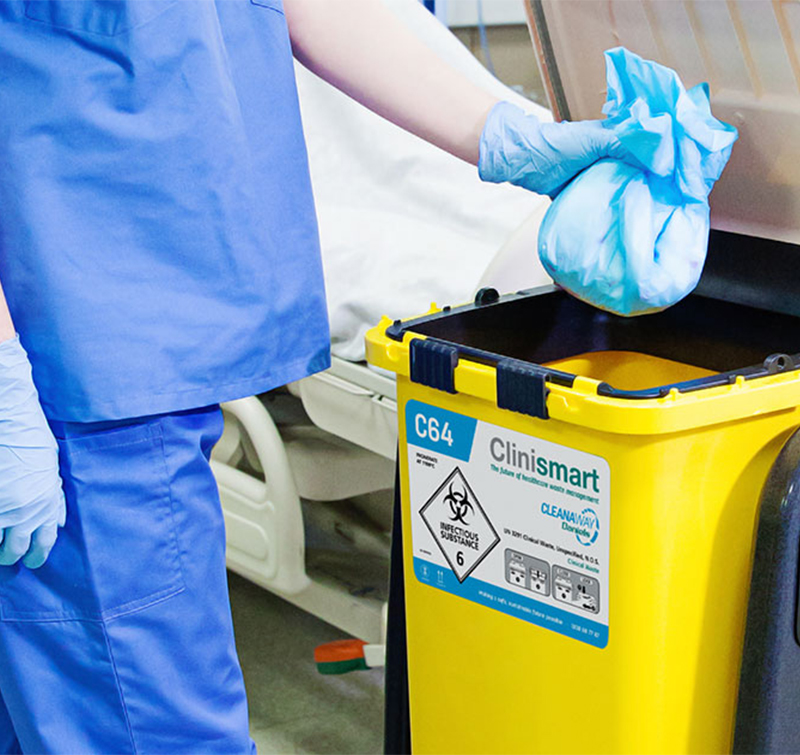
Healthcare facilities must implement established protocols for the safe disposal of surgical instruments and medical equipment to prevent unauthorized use, theft, or potential harm. These protocols should include clear guidelines for the proper handling, decontamination, and disposal of both reusable and disposable items. By ensuring that instruments are securely discarded or sterilized, healthcare facilities can protect patient safety, maintain compliance with regulatory standards, and mitigate the risk of cross-contamination or misuse. Regular staff training and audits should be conducted to reinforce these procedures and ensure their effectiveness.
Conclusion
Proper care and maintenance of surgeon equipment are crucial to ensure patient safety, prevent contamination, and uphold the quality of healthcare services. By implementing guidelines for cleaning, disinfection, sterilization, storage, regular inspection, training, documentation, and disposal, healthcare facilities can optimize the lifespan and functionality of surgical instruments.